Encouraging Aging Adults to Embrace Physical Activity Through Evidence-Based Training Recommendations
Wiki Article
Staying physically engaged is essential for adults of all ages, but it turns especially vital as people grow older. For elders, routine exercise helps maintaining autonomy, supports flexibility, and improves quality of life. Detailed exercise guidelines deliver aging individuals with systematic methods to fitness that cover balance, mobility, power, and endurance. By implementing carefully planned workout recommendations, older participants can improve their well-being while lowering the likelihood of accidents, long-term illnesses, and cognitive decline.
Exercise for seniors is not restricted to demanding workouts or rigorous exercise regimens. It concentrates instead on low-impact, gradual, and ongoing movement that fits unique ability levels. Routines such as walking, mobility work, yoga, and bodyweight exercises help preserving limberness and firmness. Cardiovascular exercises like water fitness or indoor biking improve circulation, which are vital for supporting stamina and stamina. These types of exercise also enhance mental function, as research have demonstrated that regular exercise can enhance mental clarity, outlook, and cognitive function.
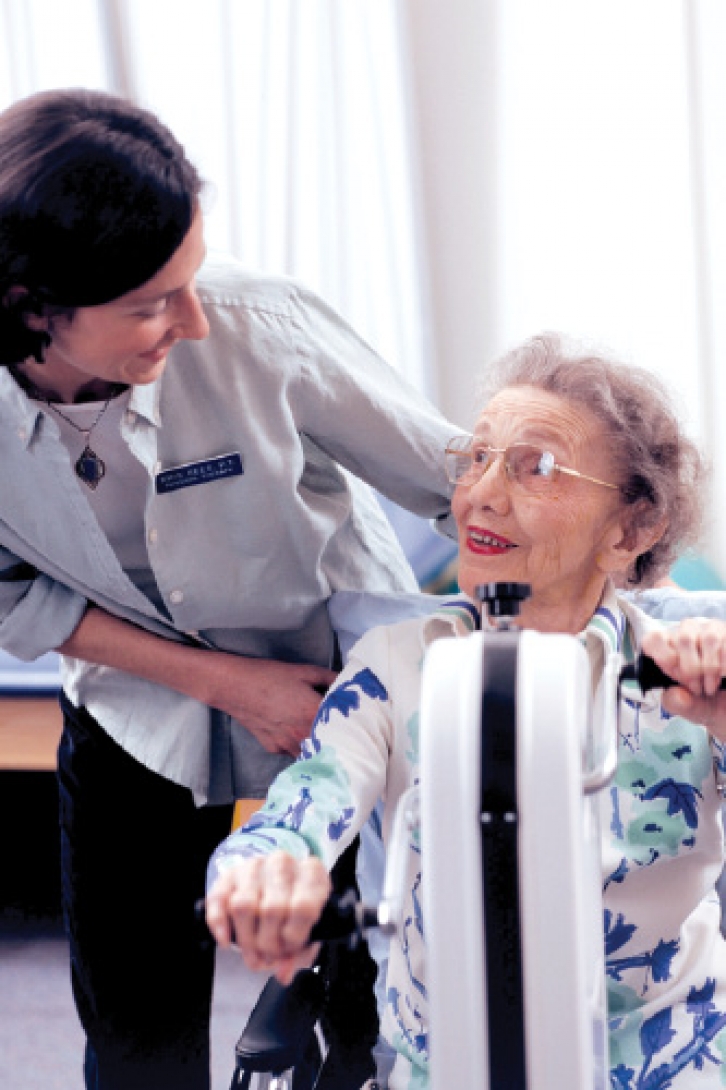
Holistic fitness recommendations prioritize a balanced method to fitness, addressing bodily, psychological, and interpersonal aspects of well-being. Participants are advised to start gradually and move forward at a manageable speed, guaranteeing safety while preventing strain. Adding pre- and post-exercise stretches reduces muscle soreness, while proper fluid intake and nutrition complement training outcomes. Additionally, community-based programs—such as senior workout groups or fitness meetups—create opportunities for peer support, motivation, and mental connection, which are equally important to complete fitness.
Expert assistance plays a key role in supporting older adults develop personalized fitness programs. Seeking advice from medical professionals, physical therapists, or qualified instructors guarantees that plans are tailored to individual needs, physical capabilities, and targets. These specialists can sports physical therapy exercises design safe workout protocols read this that consider factors such as joint conditions, bone fragility, or heart health concerns. Through regular evaluation and refinement, training programs continue to be effective and enjoyable, supporting long-term participation and success.
Overall, enabling older adults to adopt exercise through inclusive fitness frameworks builds a community of lifelong movement. When participants are supplied with information, motivation, and guidance, they develop assurance in their physical abilities and enjoy greater independence. Regular exercise boosts not only muscle capacity but also cognitive health and emotional resilience. By supporting accessible, expert-led exercise plans, societies can ensure that each older adult has the chance to lead a active, engaged, and meaningful journey.